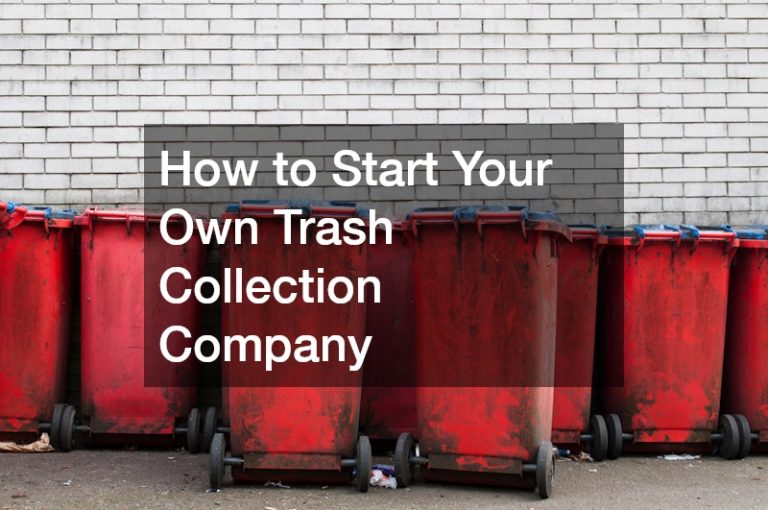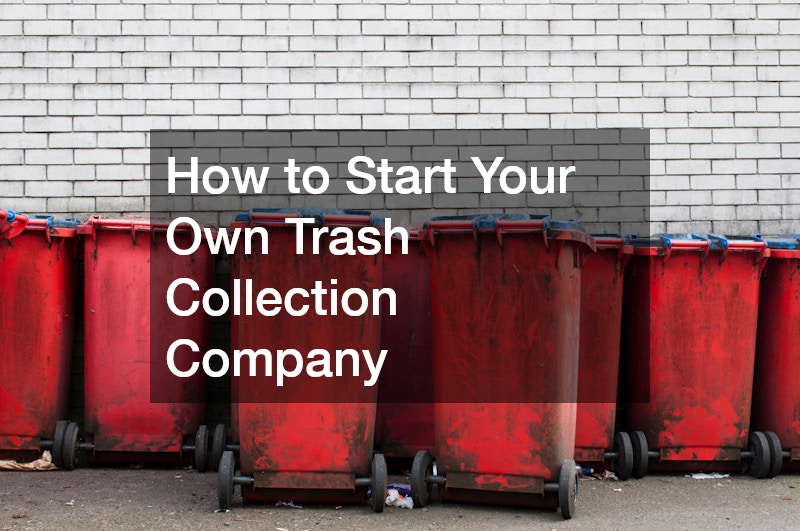
Launching a private waste management or municipal sanitation company represents entry into one of the most recession-resistant, structurally critical sectors of the modern economy. Every commercial development, residential neighborhood, and industrial manufacturing zone produces thousands of tons of material refuse daily that must be systematically collected, sorted, and routed to disposal sites. However, the scale of waste logistics introduces massive operational risks. A minor miscalculation in route optimization, regulatory non-compliance with environmental health frameworks, or unprotected vehicle assets will quickly lead to severe capital depletion, environmental liabilities, or immediate operational shutdown by state sanitation boards.
Success in the waste collection sector requires moving far beyond basic hauling models and implementing an unyielding, data-driven framework. It demands balancing commercial equipment acquisition with strict transport routing, waste categorization compliance, and advanced risk management. When you step into the role of a waste logistics director, your fleet transforms into a complex rolling grid where mechanical engineering loops continuously collide with macro-supply chain flows, environmental law, and localized municipal zoning codes.
Designing Capital Infrastructure and Mapping Transport Fleets
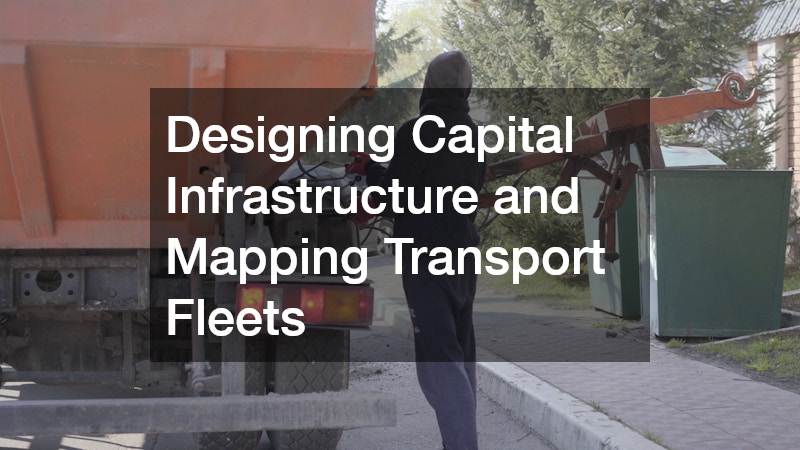
The physical core of any successful sanitation enterprise is its mechanical hauling fleet. First-time owners often commit the high-stakes error of purchasing low-capacity, unvetted transport assets to minimize upfront capital expenditures. In heavy waste logistics, your vehicle parameters, such as chassis load capacities, rear-loader compaction ratios, and high-torque hydraulic systems, directly dictate your daily profit margins. Forcing a low-clearance, unreinforced vehicle to handle high-density industrial or construction waste will rapidly cause mechanical fatigue, frame warping, and transmission failures under load.
To establish an uncompromised collection pipeline, you must acquire a specialized, high-capacity dump truck engineered for heavy vocational operations. Operating a heavy-duty dump truck equipped with a reinforced steel box, dual-ram hoist cylinders, and a high-torque diesel powertrain allows your team to move massive tons of loose material, refuse, structural masonry, or organic landscape debris safely across transit corridors. When sourcing this primary hauling asset, ensure it features electronic roll-stable controls and integrated axle-weight sensors to guarantee complete compliance with strict Department of Transportation (DOT) highway weight limits, insulating your business from costly roadside fines.
- Verify that the steel box gauge on prospective vocational vehicles is engineered specifically for abrasive materials to prevent premature floor scaling.
- Implement automated tarper systems across all open dump beds to physically block material fly-away and eliminate highway safety liabilities.
- Schedule weekly ultrasonic testing on all primary hydraulic cylinders to identify microscopic fluid bypass anomalies before a line failure occurs on-site.
While a rugged vocational vehicle secures your bulk material hauling lines, you can exponentially expand your market share by offering flexible, on-site staging assets directly to commercial contractors and residential home renovators. Integrating a high-velocity roll-off delivery network allows your firm to provide open-top dumpster rentals across your regional territory. Sourcing a diverse inventory of container frames, ranging from compact 10-yard models for residential cleanouts to massive 40-yard industrial containers, ensures you can satisfy various contractor structural demands. This tiered deployment of dumpster rentals builds a steady stream of recurring drop-off and pickup fees, maximizing asset utilization rates and locking down high-volume processing accounts before competitors can enter the local market.
Optimizing Route Logistics and Securing Environmental Compliance Boundaries
Operating a modern, high-throughput waste collection platform requires shifting away from casual, manual scheduling models and deploying advanced predictive routing algorithms. Because sanitation vehicles operate under a continuous loop of heavy stop-and-start mechanical stress, poorly planned route configurations will rapidly destroy your profit margins through excessive fuel burn, accelerated tire wear, and unnecessary driver overtime hours. Managing a complex collection network demands a strict focus on route density, geographical clustering, and real-time transit telemetry tracking.
To insulate your business operations from severe structural variables and logistical bottlenecks, you must integrate an independent process monitoring consultant into your executive launch team. Working alongside an authorized process monitoring consultant allows you to implement specialized fleet-telemetry scripts, map optimal disposal turnarounds, and eliminate deadhead miles where trucks roll empty. This data-led approach streamlines your dispatch loops, cuts down on vehicle wear, and keeps your trash service functioning with clockwork precision, ensuring your collection intervals satisfy all municipal service level agreements.
- Utilize advanced GPS geospatial software to design compact, right-turn-dominant routes that minimize high-risk left turns across oncoming highway traffic.
- Establish a cloud-linked driver portal that allows your process monitoring consultant to evaluate real-time hard-braking and idle-time data streams.
- Group your residential trash service accounts into tight geographical clusters to ensure collection vehicles reach maximum compaction efficiency quickly.
While streamlining your dispatch pipeline through a dedicated process monitoring consultant secures your daily profit margins, navigating the complex environmental laws that govern material disposal requires identical vigilance. Your trash service must operate within strict bio-safety boundaries, tracking waste from the exact moment of collection to its final destruction at an authorized municipal landfill or recycling facility. To protect your corporate entity from devastating toxic dumping lawsuits, groundwater contamination claims, and severe EPA code violations, you must establish an ironclad cradle-to-grave manifest tracking network. This strategic preparation satisfies all local environmental health department regulations and guarantees your enterprise maintains clean operational clearance parameters throughout its lifecycle.
Mitigating Asset Depreciation and Analyzing Logistical Operations
Heavy waste management machinery operates in an incredibly punishing physical environment, facing constant exposure to abrasive materials, corrosive liquids, and extreme weather shifts. If your primary utility assets and collection containers are treated with passive, reactionary maintenance habits, they will rapidly develop structural rust, component fatigue, and mechanical component failures. To protect your capital investment and keep your facility lines functioning at peak efficiency, you must approach asset management with a rigorous, engineering mindset.
When unexpected structural damage manifests across your mechanical systems, such as a cracked hydraulic arm on a loader, a broken lift hinge on a container, or a localized subframe stress crack, attempting entry-level field repairs without data-backed verification is a major mistake. You must bring in specialized forensic engineers to execute a comprehensive infrastructure failure analysis. Utilizing advanced ultrasonic testing and microscopic metallurgical scanning, an authorized infrastructure failure analysis identifies the exact stress points and manufacturing defects behind the metal fatigue. This precision tracking allows your technicians to apply engineered weld reinforcements, safely neutralizing the mechanical failure before it causes a catastrophic equipment drop on-site.
- Apply high-solids, epoxy-based anti-corrosive coatings inside all steel containers to form a barrier against acidic organic food waste.
- Track the structural integrity of all lifting pins on container systems, retiring assemblies that exhibit more than five percent wall thinning.
- Require all maintenance technicians to utilize precision torque-wielding tools to prevent thread stripping on heavy vocational hubs.
To coordinate these highly technical asset maintenance loops alongside complex vehicle routing tracks, your management team must operate at an elite level of project execution. Navigating municipal bidding cycles, tracking multi-tiered vendor timelines, and managing large-scale equipment rollouts requires advanced administrative mastery. To secure this operational competence, your core management team should hold a recognized, high-level certification for project management. Ensuring your logistics directors maintain a formal certification for project management guarantees your firm utilizes advanced Agile or Six Sigma workflows to eliminate operational waste, balance capital allocation models with absolute precision, and execute complex contract rollouts on budget and on schedule.
Scaling Specialized Site Staging and Environmental Remediation Services
As your trash company successfully captures local residential and commercial collection markets, you can unlock massive secondary revenue streams by expanding your services into specialized site staging and industrial site protection. Construction zones, public event venues, and commercial demolition fields require far more than standard material refuse hauling; they demand complete, turnkey environmental staging setups that manage human sanitation and hazardous site containment simultaneously under strict regulatory oversight.
To become the absolute primary contractor for large-scale municipal festivals and heavy industrial builds, you must expand your inventory to include premium mobile sanitation assets. Providing heavy-duty portable toilets allows your firm to offer comprehensive facility staging across your entire regional territory. Your portable toilets must feature high-capacity holding tanks, integrated hand-washing stations, and rugged, impact-resistant structures designed to withstand heavy cycling every hour. Establishing a dedicated maintenance fleet to systematically pump, sanitize, and recharge these portable assets guarantees absolute compliance with strict OSHA and local public health department mandates, locking in high-margin service contracts that insulate your business from seasonal collection dips.
- Install specialized GPS tracking tags inside every mobile sanitation asset to prevent property loss and optimize service fleet pumping routes.
- Utilize advanced, biodegradable chemical treatments within holding tanks to neutralize harsh odors and accelerate natural waste breakdown.
- Anchor all site-staged mobile assets using heavy-duty perimeter stability straps to prevent accidental tip-over damage during high-wind events.
While providing portable toilets secures your human sanitation services, industrial and post-construction sites frequently present hazardous material scenarios that standard collection routes cannot legally handle. When an old facility is demolished or an industrial valve ruptures, the site requires immediate, highly specialized intervention to clear toxic debris, oil-saturated soil, and heavy chemical residue. To capture these high-margin municipal contracts safely, your company must build a dedicated environmental cleanup team. Your environmental cleanup division must deploy specialized negative-pressure containment enclosures, advanced hazardous material vacuum extractors, and certified chemical neutralizing agents to completely remediate the site, protecting your local community from biological risks and providing independent environmental clearance certification.
Executing Exterior Brand Staging and High-Velocity Logistics Routing
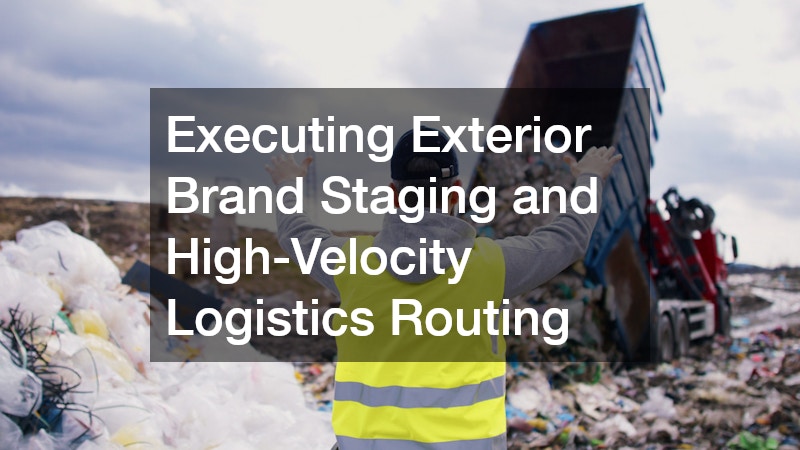
The final phase of bringing your waste management corporation online involves establishing your physical corporate presence within the regional business community and configuring your specialty transport networks. Your physical facility assets and vehicle perimeters do more than just display a company logo; they act as critical visual landmarks that establish your brand identity, build consumer trust, and guide commercial shipping carriers safely across your logistics yard. If your primary facility lacks prominent, clear, and highly professional staging assets, your business will struggle to secure elite enterprise accounts.
To project an unyielding standard of professional excellence and secure a commanding market presence, you must source a collection of high-visibility, weather-resistant Business Signs to stand at your primary logistics facility and office perimeters. Designing custom Business Signs that incorporate high-contrast color palettes, energy-efficient internal LED arrays, and clear reflective lettering panels ensures your sanitation empire can be spotted effortlessly by incoming logistics partners, visiting municipal officials, and prospective labor talent. These premium Business Signs signal to the community that your waste management firm operates to a world-class industrial standard, transforming your processing yard into a prominent local landmark.
- Incorporate clean, standardized typefaces into your facility panels to optimize readability at a distance for heavy logistics drivers.
- Coordinate your exterior facility identity colors to match the precise aesthetic guidelines used across your mobile truck fleet and digital platforms.
- Link your primary entry visual displays to automated ambient light sensors to guarantee consistent lighting without manual intervention.
With your physical facility perimeters fully secured by premium visual markers, your company can safely deploy specialized transport sub-networks to handle unique, non-hazardous logistics requests. Many commercial corporate relocations and estate closures generate vast quantities of heavy furniture, structural files, and bulk electronics that standard automated collection trucks cannot physically load. To capture this specialized segment, your enterprise should operate a dedicated, white-glove moving service division. Operating a professional moving service sub-fleet equipped with high-capacity box trucks, heavy-duty liftgates, and specialized padding systems allows your field teams to clear out entire commercial suites in a single operational wave. This high-touch moving service safely separates high-value electronics for certified recycling loops while routing standard structural refuse directly to your primary hauling lines, creating a flawless, closed-loop waste ecosystem that dominates the regional market.
Building and maintaining an enterprise-level waste collection corporation is an extraordinary operational and engineering triumph that represents the absolute apex of logistical self-discipline, financial foresight, and resource allocation. A thriving sanitation facility is a beautifully integrated mechanical and digital engine that requires continuous calibration, rigid environmental law compliance, and proactive fleet tracking to operate at peak efficiency over a multi-decade horizon. Treating an intricate waste management platform with a casual, unstructured management style, or attempting high-risk, code-regulated technical upgrades without the proper equipment and certified support networks, is a guaranteed recipe for severe capital depletion and workplace accidents.
Ultimate success in the waste logistics arena is achieved only when you step fully into the authoritative role of a proactive asset director who actively commands every internal, external, and logistical variable of their facility ecosystem. By systematically executing your multi-layered company blueprint, from routing fleet selection through high-capacity dump trucks and dumpster rentals to orchestrating professional process monitoring consultants, infrastructure failure analyses, portable toilets, and high-visibility business signs, you completely insulate your enterprise investment from failure. Build a tight-knit, highly reliable network of certified structural engineers, industrial logistics partners, environmental compliance directors, and authorized legal advisors who respect the unique technical realities of your terrain. Command your fleet with absolute mechanical confidence, honor the high-speed data streams of your dispatch floor, and advance your waste management journey with the absolute assurance that your corporation will stand as a secure, thriving fortress of efficiency, safety, and corporate equity for a lifetime.
About the Author